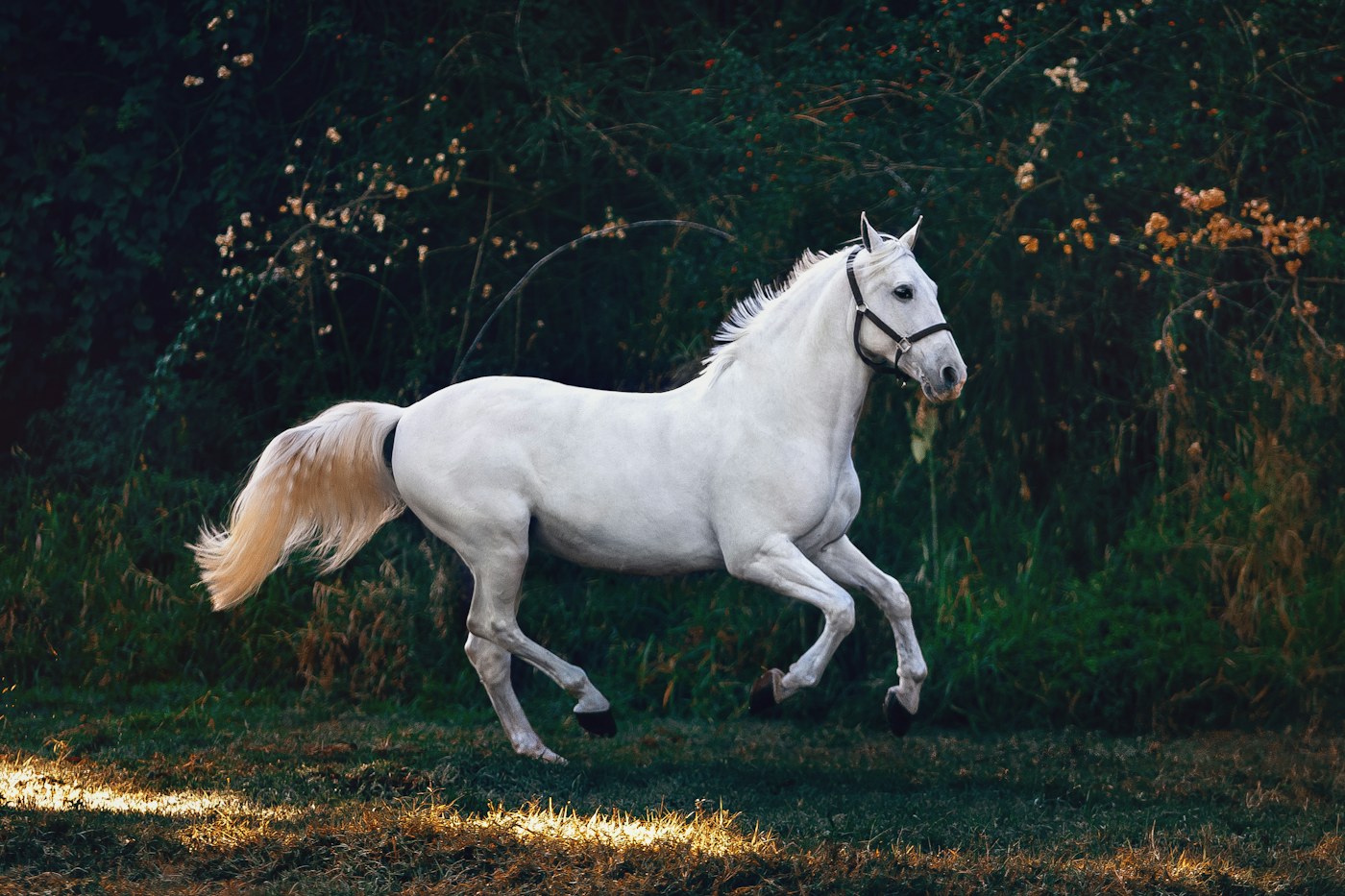
While there is no single cause of death that affects every horse, colic is widely regarded as one of the leading causes of serious illness and mortality in horses worldwide. Colic is a broad term used to describe abdominal pain and digestive disturbances, and some forms of colic can become life-threatening if not treated promptly.
Because horses have a sensitive digestive system, conditions affecting the gastrointestinal tract can develop rapidly and may require emergency veterinary intervention. In severe cases, surgery may be necessary to save the horse's life.
What Is Colic?
Colic is not a specific disease but rather a symptom of pain originating from the abdomen. There are many different types of colic, ranging from mild digestive discomfort to severe intestinal problems that can become fatal.
Potential causes of colic include:
- Changes in diet
- Dehydration
- Parasite infestations
- Intestinal blockages
- Twisted intestines
- Stress
- Poor feeding practices
Early recognition and veterinary treatment are critical to improving outcomes.
Other Common Causes of Death in Horses
Although colic is often considered one of the most significant health threats, several other conditions contribute to horse mortality.
Injuries and Accidents
Horses are large, powerful animals that can be prone to accidents. Injuries sustained during riding, training, transportation, competition, or paddock activities can sometimes be severe or fatal.
Common examples include:
- Fractures
- Head injuries
- Tendon and ligament trauma
- Transportation accidents
- Field and paddock injuries
Age-Related Conditions
As horses age, they may develop chronic health issues that affect their quality of life and overall wellbeing.
These may include:
- Arthritis
- Organ failure
- Dental problems
- Metabolic disorders
- Mobility challenges
Older horses often require additional veterinary attention and specialised care.
Infectious Diseases
Certain infectious diseases can pose serious health risks to horses, particularly when vaccination and preventative healthcare programmes are not maintained.
Disease risks vary depending on geographic location, management practices, and exposure to other horses.
Chronic Health Conditions
Long-term medical conditions can also contribute to mortality. Ongoing health problems may affect a horse's ability to maintain weight, perform normally, or recover from illness and injury.
How Can Horse Owners Reduce Health Risks?
While not all illnesses and injuries can be prevented, proactive healthcare can significantly reduce many common risks.
Good horse management practices include:
- Routine veterinary examinations
- Vaccination programmes
- Dental care
- Parasite control
- Proper nutrition
- Access to clean water
- Safe paddock and stable environments
- Regular exercise and monitoring
Preventative care is often the most effective way to support long-term equine health.
Warning Signs That Should Never Be Ignored
Horse owners should seek veterinary assistance promptly if they notice signs such as:
- Loss of appetite
- Rolling or signs of abdominal discomfort
- Excessive sweating
- Lethargy
- Difficulty walking
- Unusual behaviour
- Persistent coughing
- Rapid weight loss
Early intervention can improve treatment outcomes and may reduce the severity and cost of veterinary care.
Why This Matters for Horse Owners
Understanding the most common causes of illness and mortality is an important part of responsible horse ownership. Serious medical conditions can arise unexpectedly, and veterinary treatment can be expensive.
This is one reason why many owners choose horse insurance. Veterinary fee cover may help with eligible treatment costs, while mortality insurance can provide financial protection if a horse dies due to a covered event.
Get a Horse Insurance Quote
No owner can completely eliminate the risks associated with horse ownership. However, combining good healthcare practices with appropriate horse insurance can help protect both your horse's wellbeing and your financial investment.
Request a Quote